Learn
06 August 2026 3 min read
Cats are not small dogs
Feline physiology diverges from canine in ways that change what is safe, what is normal, and what pain looks like.

06 August 2026 3 min read
Feline physiology diverges from canine in ways that change what is safe, what is normal, and what pain looks like.
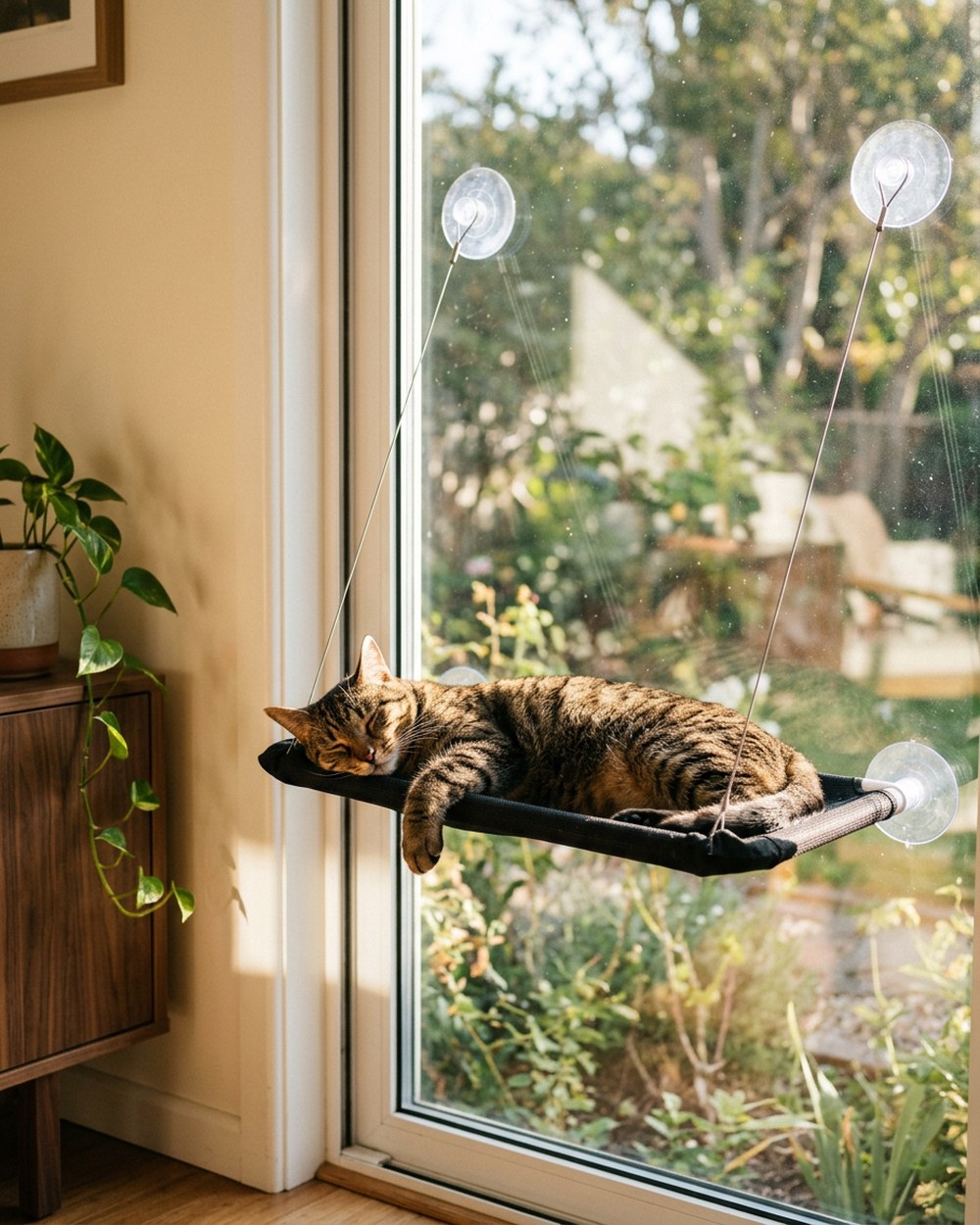
A tabby cat sitting upright on a wooden windowsill, alert and looking out of the window
Households that keep both tend to run one set of assumptions across both animals. It is an easy mistake, and in a few specific places a dangerous one. Cats are not scaled-down dogs; they are a different kind of carnivore with a different liver, a different thirst, and a much better poker face.
Dogs are flexible omnivores. Cats are not. They cannot make enough taurine, arachidonic acid or preformed vitamin A from plant precursors, and have to take them in ready-made from animal tissue. The taurine case is the famous one: when commercial cat foods ran short of it, cats developed heart muscle disease and went blind, and the connection — identified in the 1980s — reshaped how cat food is formulated. This is why an improvised or vegetarian diet that a dog might tolerate is genuinely unsafe for a cat.
Cats are poor at glucuronidation, one of the main routes mammals use to package up and excrete compounds. The consequences are practical and severe:
The rule that covers all of it: nothing goes into or onto a cat that was bought for a dog or for a person.
A cat in pain usually gets quieter, not louder. They sit hunched, stop grooming, stop jumping to the places they used to, and their owner reports that they have simply got old. Chronic pain in cats is widely under-recognised for exactly this reason.
The most useful recent development here is the Feline Grimace Scale, developed and validated at the Université de Montréal. It reads pain from five features of the face — ear position, orbital tightening, muzzle tension, whisker position and head position — and it is freely available. It takes a few minutes to learn and gives you something more reliable than a hunch.
Cats descend from arid-climate hunters and carry a correspondingly weak thirst drive; they evolved to take most of their water from prey. Layer on top the fact that stress plays a real role in feline lower urinary tract disease, and that chronic kidney disease is common in older cats, and small environmental details start to matter more than they would for a dog.
None of this makes cats harder to keep than dogs. It makes them different to keep, and most of what goes wrong comes from treating them as though they were not.
 Behaviour
 Genetics
 Breeds
Made from the same thinking
We only make a thing once we can explain why it helps. Take the fit quiz and we will tell you what to skip.
Furlet Official
A welcome gift
Scratch the foil to reveal your code.